Electric Heater Safety in Newcastle: What Your Electrician Wants You to Know This Winter
Winter mornings in Newcastle have a way of making the heater the first thing switched on and the last thing switched off. It's a routine most households fall into without much thought, until a power board feels warm to touch or a circuit trips for no obvious reason. Electrical fires linked to portable heating and overloaded circuits climb noticeably through the colder months, and most of them trace back to a handful of habits that are easy to overlook. Here's what tends to cause the problem, and what a licensed electrician in Newcastle actually looks for before it becomes one.
Why Winter is Peak Season for Electrical Fire
Portable heaters draw a lot more current than most household appliances, and that demand often lands on wiring and circuits that weren't set up with that load in mind.
- Heaters are frequently plugged into general power circuits already carrying other devices, pushing the total load higher than the circuit is rated for
- Older Newcastle homes, particularly those built before more recent wiring standards, sometimes have circuits that were never designed around modern heating appliance use
- Heaters left running unattended or overnight increase the window for a fault to go unnoticed
- A spike in heater use across a short cold snap means circuits that coped fine in autumn can be pushed past their limit once several heaters are running in the same home
None of this means a heater itself is unsafe to use. It usually comes down to how the load is distributed and whether the circuit and wiring behind the wall can handle it.
What an Electrician Actually Checks Before Winter
A pre-winter check isn't about replacing heaters or telling people to stop using them. It's about confirming the electrical system around them is set up to cope.
- Testing circuit breakers & safety switches to confirm they're operating correctly and tripping when they should
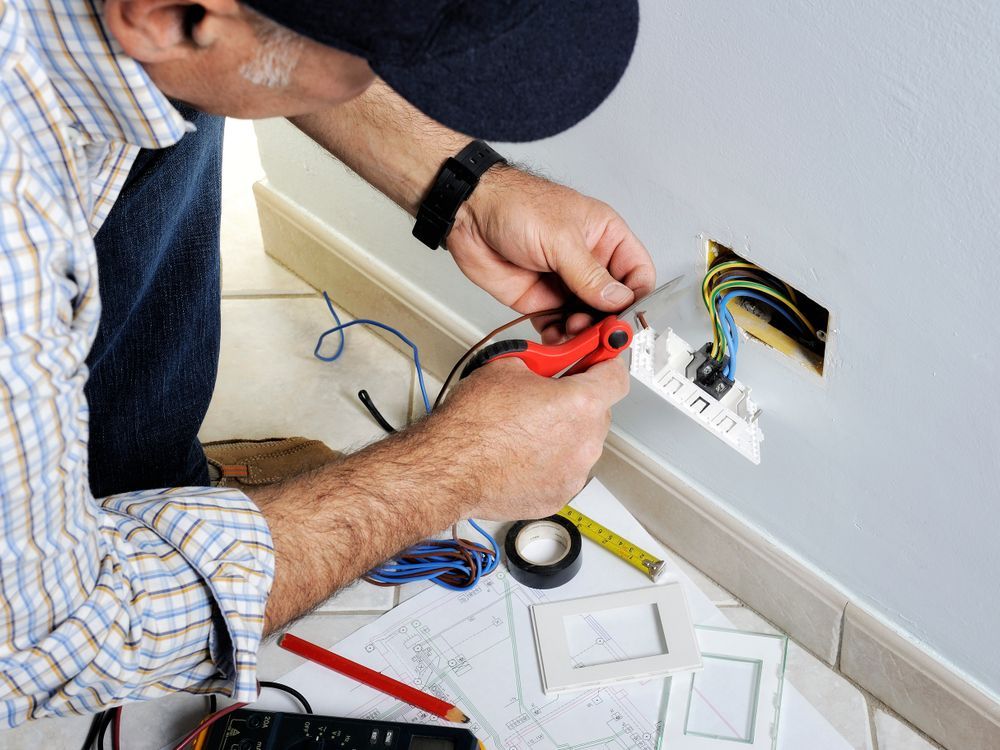
- Checking power points & switches for signs of heat damage, discolouration or looseness, which can indicate a connection issue
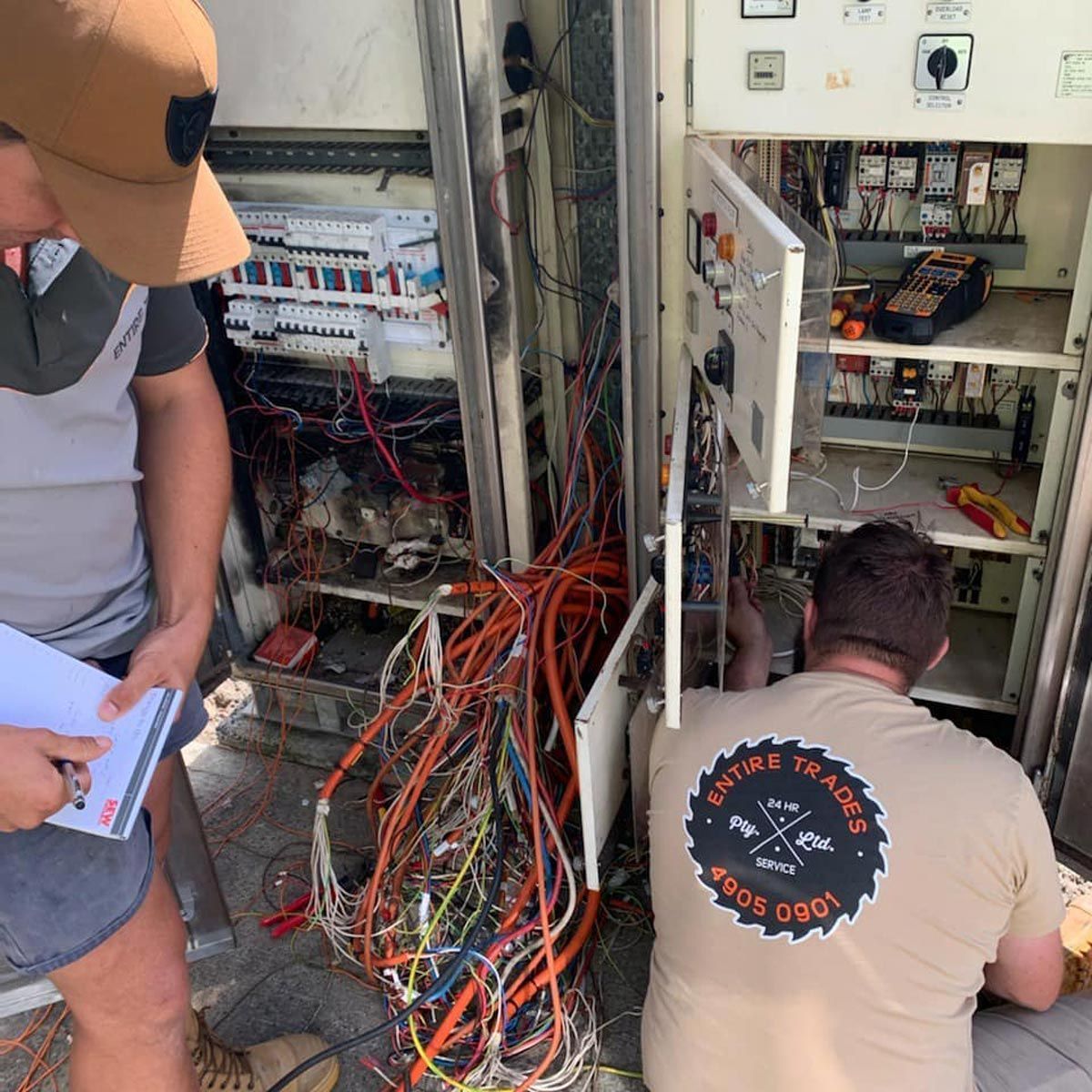
- Reviewing the switchboard to see whether it meets current safety standards, particularly in homes that haven't been upgraded in some time
- Identifying which circuits are already carrying heavier loads & where heaters are likely to be plugged in during winter
This kind of check tends to pick up small issues, a loose connection, a worn power point, a switchboard without adequate safety switches, before they turn into something more serious.
Extension Cord Dangers Worth Knowing
Extension cords are one of the most common ways a heater ends up drawing more current than the cord or socket was built for.
- Many extension cords aren't rated for the continuous, high current draw of a heater, even if they handle smaller appliances without issue
- Coiled cords trap heat, and a cord left bundled up while running a heater can build up warmth without anyone noticing until it's hot to touch
- Daisy-chaining extension cords or running a heater through a double adaptor on an already-loaded circuit compounds the risk rather than solving a lack of nearby power points
- Cords run under rugs or furniture hide wear & heat build-up that would otherwise be visible
Where a heater is needed somewhere without a nearby power point, that's usually a sign the room needs an additional point installed rather than a permanent extension cord setup.
Understanding Circuit Load Limits
Every circuit in a home is rated to carry a certain amount of current, and once that's exceeded, something has to give, usually a tripped breaker if the system is working as it should, or overheating if it isn't.
- Standard general power circuits are typically shared across several power points in a home, which means more than one heater on the same circuit can add up quickly
- Other appliances running at the same time, like kettles, heaters & hair dryers, all draw from the same shared load if they're on the same circuit
- Frequent tripping isn't a fault to ignore or simply reset & forget; it's usually the circuit telling you it's at or near its limit
- An electrician can map out which power points in a home share a circuit, which isn't always obvious just by looking at a floor plan
When a Dedicated Circuit Makes Sense
For households relying on one or two heaters through most of winter, a dedicated circuit is sometimes the more practical long-term option compared to working around a shared one.
- A dedicated circuit for a heater means it isn't competing with other appliances for the same available current
- This is worth considering in rooms used consistently through winter, like a main living area or a bedroom used by someone who runs a heater overnight
- Homes with older wiring or undersized switchboards benefit more from this kind of change, since shared circuits in these systems often have less headroom to begin with
- It's a more involved job than a general safety check, so it's something to discuss directly with an electrician based on how the home is actually used
Signs it's Time to Call an Electrician, Not Wait it Out
Some warning signs get explained away as minor or temporary when they're actually worth acting on straight away.
- A burning or hot plastic smell near a power point or heater, even briefly, shouldn't be ignored or put down to a new appliance
- Buzzing or crackling sounds from a switch or power point are not normal & point to a connection issue behind the wall
- Flickering lights when a heater switches on suggests the circuit is struggling under the load
- A safety switch that trips repeatedly with the same heater plugged in is identifying a genuine problem, not a faulty switch to be reset and ignored
Catching these early is usually far simpler than dealing with the aftermath of a fault left unchecked through a full winter.
A Straightforward Pre-Winter Step
Most of what causes electrical issues in winter isn't dramatic. It's a power point that's been quietly overheating, a switchboard that's a few years behind current standards or a couple of heaters sharing a circuit that was never meant to carry that much load at once. None of it shows up clearly until something trips, smells off, or stops working altogether.
At Entire Trades, we offer residential electrical safety checks across Newcastle that are well-suited to exactly this time of year, going through switchboards, circuits and power points before the cold weather puts more strain on them. If you're about to lean on a heater for the next few months, it's a reasonable point to get the electrical side of things looked at first. Get in touch with our electricians in Newcastle to arrange a check before winter settles in properly.