
How To Get The Most Out Of Your Reverse Cycle Air Conditioner This Winter In Maitland
Reverse cycle air conditioners are a practical way to heat a home through winter, but many homeowners are not completely sure how to use them efficiently. For those relying on air conditioning in Maitland through the cooler months, some common habits can make the system work harder than it needs to — turning it on only once the house already feels cold, pushing the temperature up quickly and wondering why the space takes longer than expected to warm. Others notice the unit briefly blowing cool air and assume something is wrong.
In many cases, the system is not faulty. It may simply be responding to outdoor temperatures, settings, airflow restrictions or normal operating cycles. Understanding how reverse cycle air conditioning behaves in cooler conditions can help homeowners stay more comfortable, avoid unnecessary energy use and recognise when a professional service check is actually needed.
Understand How Reverse Cycle Heating Works
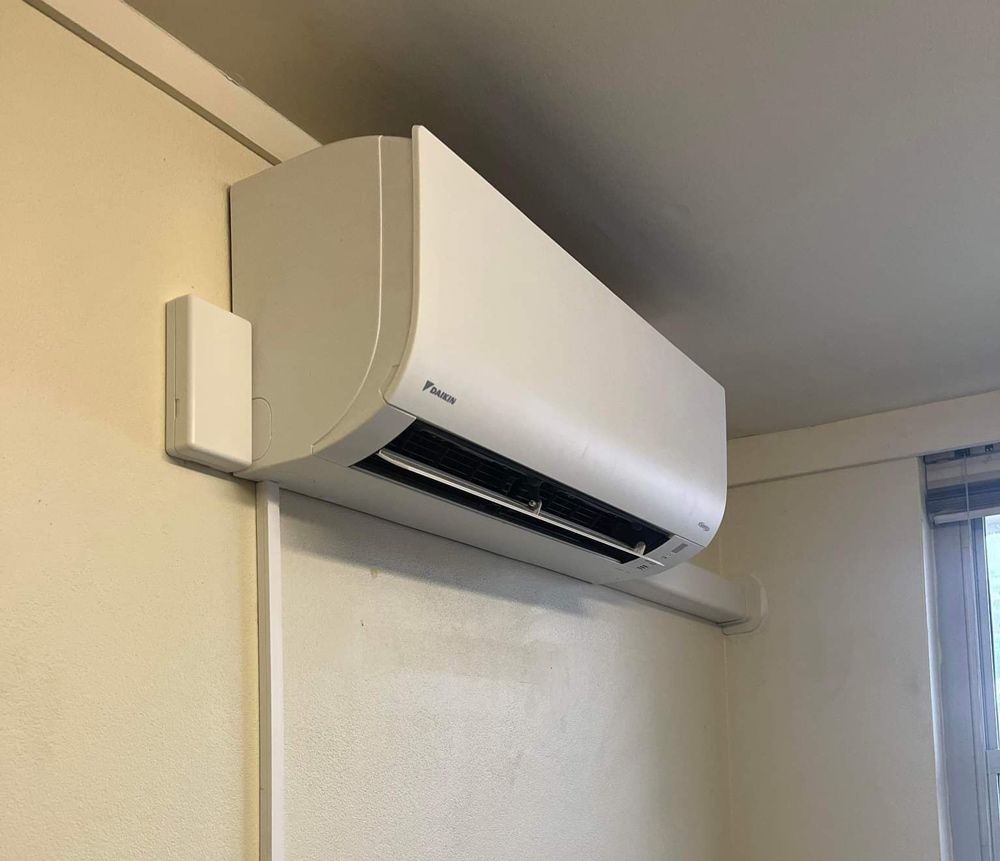
A reverse cycle air conditioner does not create heat in the same way as a portable heater. Instead, it transfers heat from outside air into the home. Even when the weather feels cold, there can still be usable heat in the outdoor air that the system can draw in and move indoors.
Because the system is transferring heat rather than generating it directly, performance can be affected by outdoor temperature, airflow, filters and the condition of the unit.
A reverse cycle system may work harder when:
- Outdoor temperatures drop sharply
- Filters are dirty or blocked
- Doors and windows are leaking air
- The system is undersized for the space
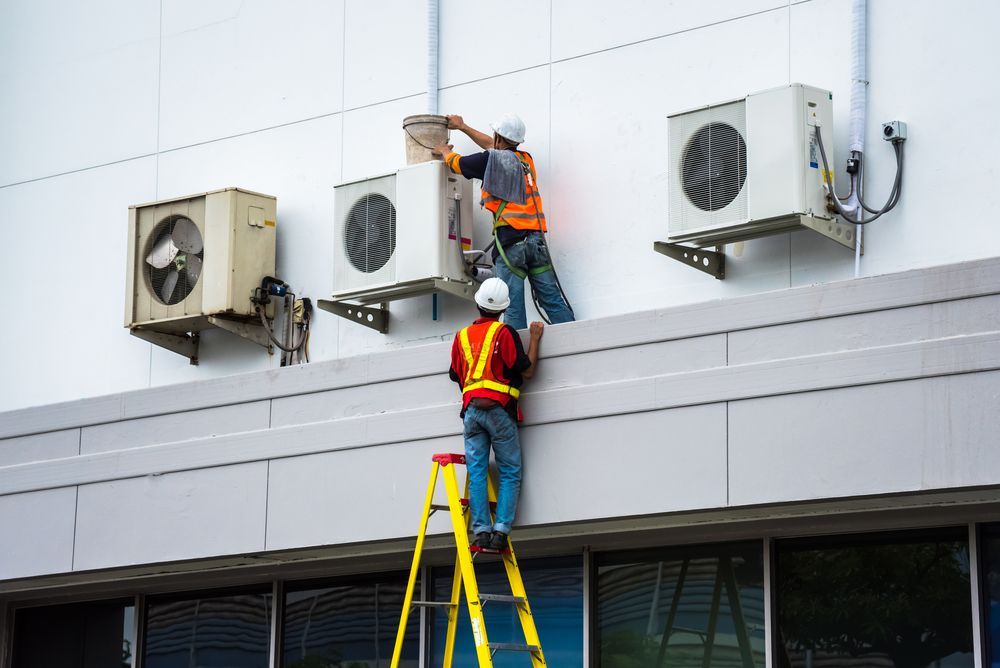
- The outdoor unit has poor airflow
- The temperature is raised too high too quickly
This is why correct use and regular maintenance can make a noticeable difference during winter.
Pre-Heat Before the Coldest Part of the Morning
One of the most useful winter habits is pre-heating the home before the coldest part of the morning. Many people wait until the house feels uncomfortable, then turn the air conditioner on high. This reactive approach can make the system work harder.
Using the timer or scheduling function can help warm the space gradually before the temperature drops too far inside.
Pre-heating may help because:
- The system can warm the room more steadily
- The indoor temperature does not fall as low overnight
- The unit may not need to work as hard to recover comfort
- The home feels warmer when people wake up
- Sudden high-temperature changes are avoided
For many households, setting the unit to start shortly before wake-up time can feel more comfortable than waiting until the home is already cold.
Avoid Cranking the Temperature Too High
Turning the temperature up sharply does not usually make the system heat the room instantly. Instead, it may simply keep the unit running harder for longer. This can increase energy use without necessarily improving comfort as quickly as expected.
A steady, comfortable setting is usually more effective than constantly adjusting the temperature up and down.
Better habits include:
- Choosing a comfortable heating temperature and leaving it steady
- Using timers instead of sudden manual adjustments
- Avoiding large temperature jumps
- Closing windows and external doors before heating
- Using curtains to reduce heat loss overnight
If the room is not warming properly at a reasonable setting, the issue may relate to airflow, filter condition, system sizing or a fault rather than the number on the controller.
Know What the Defrost Cycle Is
During cold weather, the outdoor unit may develop frost while operating in heating mode. To manage this, reverse cycle systems use a defrost cycle. This is a normal function that allows the outdoor unit to clear frost so the system can keep working effectively.
During defrost, homeowners may notice the indoor unit briefly stops heating or blows cooler air. This can be surprising if you do not know what is happening, but it does not always mean the air conditioner needs repair.
During a defrost cycle, you may notice:
- A short pause in warm airflow
- Cooler air from the indoor unit
- Steam or mist near the outdoor unit
- A change in operating noise
- Heating resuming once defrost is complete
If this happens occasionally during cold mornings or nights, it may simply be normal operation. However, if the system struggles constantly or never returns to proper heating, it is worth arranging a service check.
Use Doors and Zones Carefully
Closing off unused rooms can help with some systems, but it is not always as simple as shutting every door. The effect depends on whether you have a single-head split system, a ducted system or a multi-zone setup.
With a single split system, closing off distant rooms may help concentrate warmth in the main living area. However, closing too much space around the indoor unit may affect airflow and make the system cycle poorly.
With ducted or multi-zone systems, zoning should be used according to how the system was designed.
General tips include:
- Use zones where the system is designed for them
- Avoid blocking return air pathways
- Keep the main heated area open enough for airflow
- Do not close vents unless the system allows it
- Ask a technician if you are unsure how your setup should operate
Incorrect zoning can sometimes make the system less efficient or less comfortable, especially if airflow is restricted.
Check Filters Before Assuming There Is a Fault
Each winter, many service calls come from systems that are not faulty but are struggling because of dirty filters or blocked airflow. When filters become clogged, the system has to work harder to move air through the indoor unit.
This can reduce heating performance and make the system feel weaker than usual.
Signs filters may need attention include:
- Reduced airflow
- Longer heating times
- Dusty smells when the unit starts
- Uneven room temperature
- Higher running effort from the system
Cleaning filters is a simple step many homeowners can do themselves, depending on the unit type. If performance does not improve after basic maintenance, a professional service may be needed.
Make Sure the Outdoor Unit Can Breathe
The outdoor unit plays an important role in reverse cycle heating. If airflow around it is blocked by leaves, dirt, garden growth or stored items, the system may struggle to operate efficiently.
Because the unit is working to transfer heat from outside air, it needs clear space around it.
Outdoor unit checks may include:
- Removing leaves and debris nearby
- Keeping plants trimmed away from the unit
- Avoiding storage of items around the system
- Checking for obvious blockages
- Ensuring the unit is not enclosed too tightly
You should not open or dismantle the unit yourself, but keeping the surrounding area clear can help support better operation.
When a Service Check Is the Next Step
If the system is being used correctly but still is not keeping up, it may need professional attention. A reverse cycle air conditioner may have low airflow, sensor issues, refrigerant concerns, electrical faults, worn parts or simply be undersized for the area it is trying to heat.
A service check can help determine whether the system needs cleaning, repair or a sizing assessment.
It may be time to call a technician if:
- The system will not heat properly
- Warm air is weak or inconsistent
- The unit repeatedly stops or struggles
- Unusual noises appear
- The outdoor unit is icing excessively
- Energy bills have risen unexpectedly
- The system has not been serviced recently
Professional servicing can help restore performance and identify issues before they turn into larger repairs.
Reach Out to Learn More
At Entire Trades, we understand that Maitland homeowners want their reverse cycle systems to perform reliably through winter without wasting energy or calling for repairs unnecessarily. If your system is not heating properly, keeps entering unusual cycles or may not be sized correctly for your home, our team can provide servicing, fault checks and practical advice for air conditioning in Maitland households can rely on. Visit air conditioning to book a service or speak with our team today.