7 Reasons Your Aircon Is Not Cooling Properly
Ever found yourself sweating in the middle of summer, wondering why your aircon isn't cooling properly? It can be frustrating when your air conditioning system isn't working as expected, especially during those scorching summers. Before you hit the panic button, there could be a simple explanation behind your air conditioning woes. Let's dive into the seven common reasons why your air conditioner might not be cooling properly and how you can fix the issue.
1. Dirty Air Filters
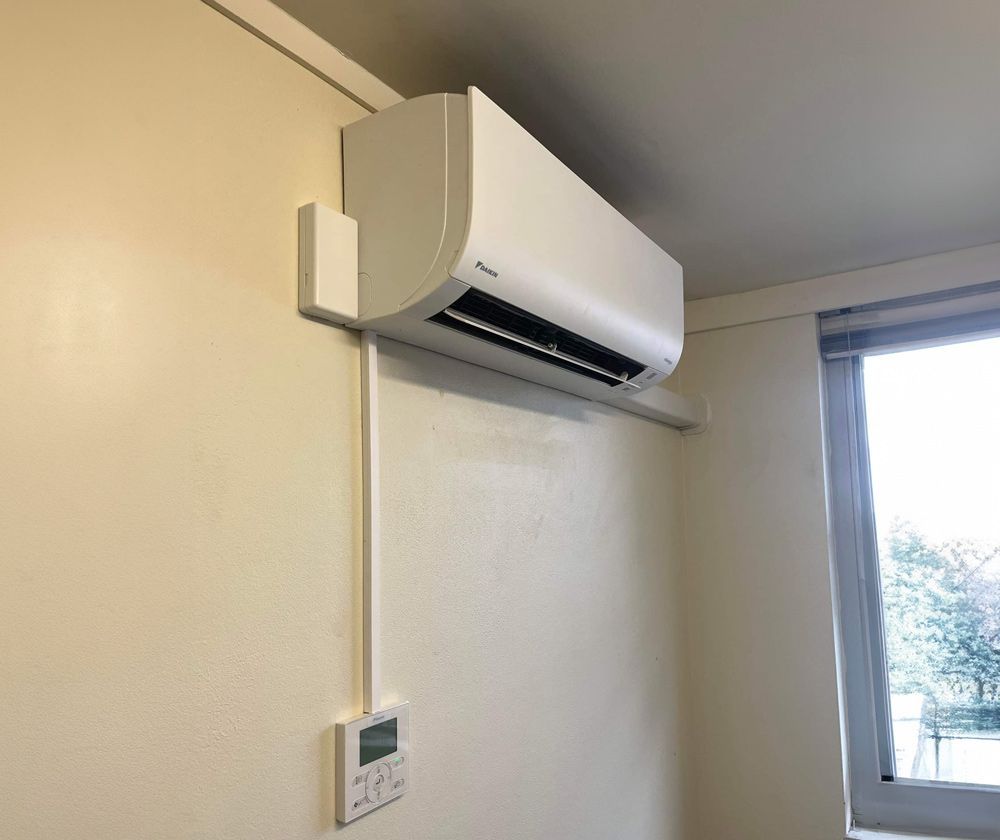
One of the most common reasons for an underperforming air conditioner is a dirty air filter. Over time, air filters collect dust, dirt and debris, which can block airflow and reduce the efficiency of your air conditioning system. When this happens, you'll typically notice a few tell-tale symptoms: weak airflow from the vents, uneven temperatures between rooms, or the system running almost non-stop without ever quite reaching the temperature you've set.
If a blocked filter is left unaddressed for long enough, it can actually cause your indoor evaporator coil to freeze over. Keep an eye out for frost building up on the indoor unit, or unexpected water dripping from it — both are signs the coil has iced up. If you spot this, switch the unit to fan-only mode for an hour or two to let the ice thaw safely before doing anything else, rather than continuing to run it in cooling mode.
How to fix it: Most filters slide out from behind the front panel of your indoor unit. Vacuum off loose dust first, then wash the filter in warm water, and make sure it's completely dry before refitting it. Never run your unit without a filter in place, even temporarily. Check your filters every 1-3 months, especially during heavy usage seasons. Regular air conditioning maintenance can prevent this issue and keep your system running smoothly.
2. Thermostat Issues
Another common culprit behind a malfunctioning aircon is a faulty thermostat. If your air conditioner is not cooling properly, your thermostat may be set incorrectly, miscalibrated or have an internal fault. A thermostat that's not registering the correct room temperature could cause your aircon to stop cooling prematurely or overwork without ever cooling the space adequately.
Where your thermostat is positioned can also throw off its readings. A thermostat placed in direct sun, mounted above a heat-producing appliance, or sitting near a draughty window or door can misread the actual room temperature, causing your system to cool inconsistently even though nothing is technically broken.
How to fix it: First, check that the thermostat is set to the correct mode (cooling) and temperature, and check the batteries if it's a battery-powered unit, since flat batteries are an easy thing to overlook. It may need recalibration or replacement if it still doesn't function properly.
3. Low Refrigerant Levels
Here's the single most important thing to understand about refrigerant: it isn't consumed by your system the way fuel is burned in a car. Refrigerant circulates in a sealed loop, absorbing heat from inside your home and releasing it outside, then cycling back around to do it again. In a properly functioning system, that refrigerant level should never drop on its own.
So if your system is low on refrigerant, that means only one thing — there's a leak somewhere in the sealed loop. This is exactly why simply topping up the refrigerant without finding and repairing the leak is a short-term fix at best. You'll likely be back in the same position within a few months, having paid for a top-up that was always going to leak out again.
Watch for these warning signs: a hissing or bubbling sound coming from the unit, visible ice forming on the copper refrigerant pipework, or cooling performance that's gradually worsened over several weeks rather than failed suddenly overnight — that gradual decline is a classic sign of a slow leak rather than a one-off fault.
How to fix it: Low refrigerant requires professional air conditioning maintenance. If you suspect a refrigerant leak, contact a licensed technician to locate and repair the leak itself, not just recharge the system.
4. Blocked Condenser Coils
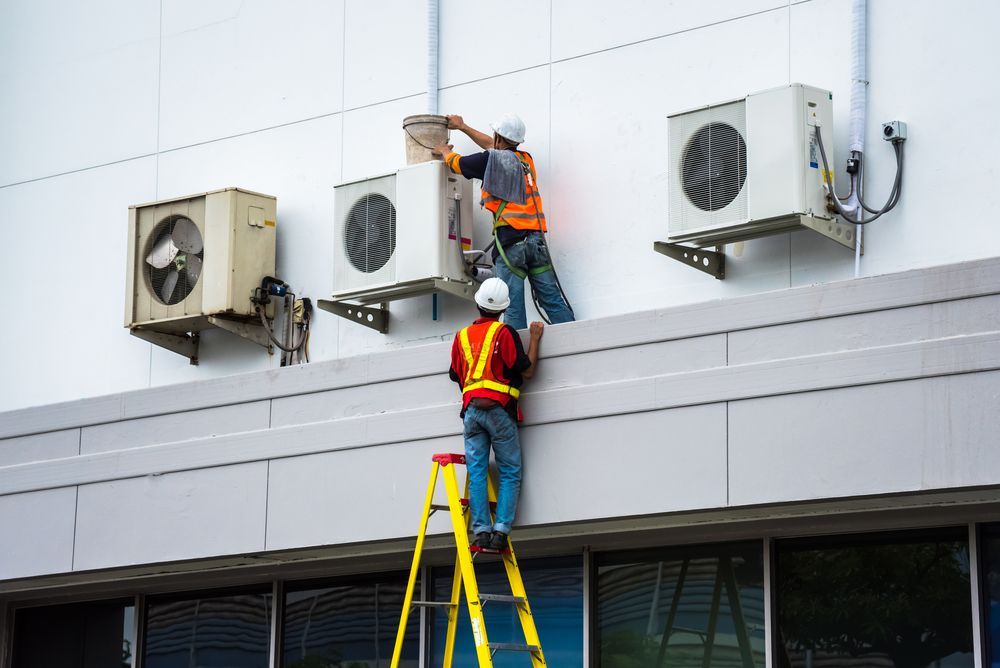
The condenser coils in the outdoor unit release the heat that the refrigerant has absorbed from inside. However, when these coils get blocked with dirt, dust or grime, they can't efficiently dissipate the heat, leading to an overworked aircon and reduced cooling capacity.
For proper airflow, your outdoor unit needs at least 30cm of clear space on all sides and above it — a common issue we see is a unit hemmed in by garden growth, fencing or stored items, which chokes off the airflow it needs to work efficiently. Around the Hunter region specifically, outdoor units cop a fair bit through the year: heavy dust through summer, pollen build-up in spring, and grass clippings kicked up during regular mowing, all of which settle on the coil fins over time.
How to fix it: Ensure the outdoor unit is clear of debris like leaves and grass, and maintain that 30cm clearance around the unit. If you're cleaning the coils yourself, use a low-pressure hose only — the fins bend easily under too much force, and once bent, they restrict airflow just as much as the dirt did. Professional cleaning of the condenser coils during a routine air conditioning maintenance service will prevent any long-term damage.
5. Leaky Ductwork
If your air conditioning system has ductwork, leaks or cracks in the ducts can significantly reduce the efficiency of your aircon. Leaky ducts cause the cooled air to escape before it reaches the rooms, which means your air conditioner will have to run longer and harder to maintain the set temperature.
Two signs are worth watching for here: inconsistent cooling performance from room to room (one area feels fine while another never quite cools down), and a power bill that's crept up without any real change in how you're using the system. Both point toward air escaping somewhere along the ductwork rather than actually reaching your living spaces.
How to fix it: Inspect your ductwork for any visible damage or leaks, particularly in exposed areas. If you can't pinpoint the problem, hiring a professional to conduct a more thorough assessment and repair is best.
6. Faulty Fans Or Blower Motors
Your system actually relies on two separate fans working properly: the indoor blower fan, which circulates cooled air throughout your home, and the outdoor fan, which draws air across the condenser coil to release heat. If either fan or blower motor is malfunctioning, the airflow will be compromised, meaning your aircon won't be able to distribute cool air effectively. This could be due to worn-out belts, poor lubrication or a more serious electrical issue.
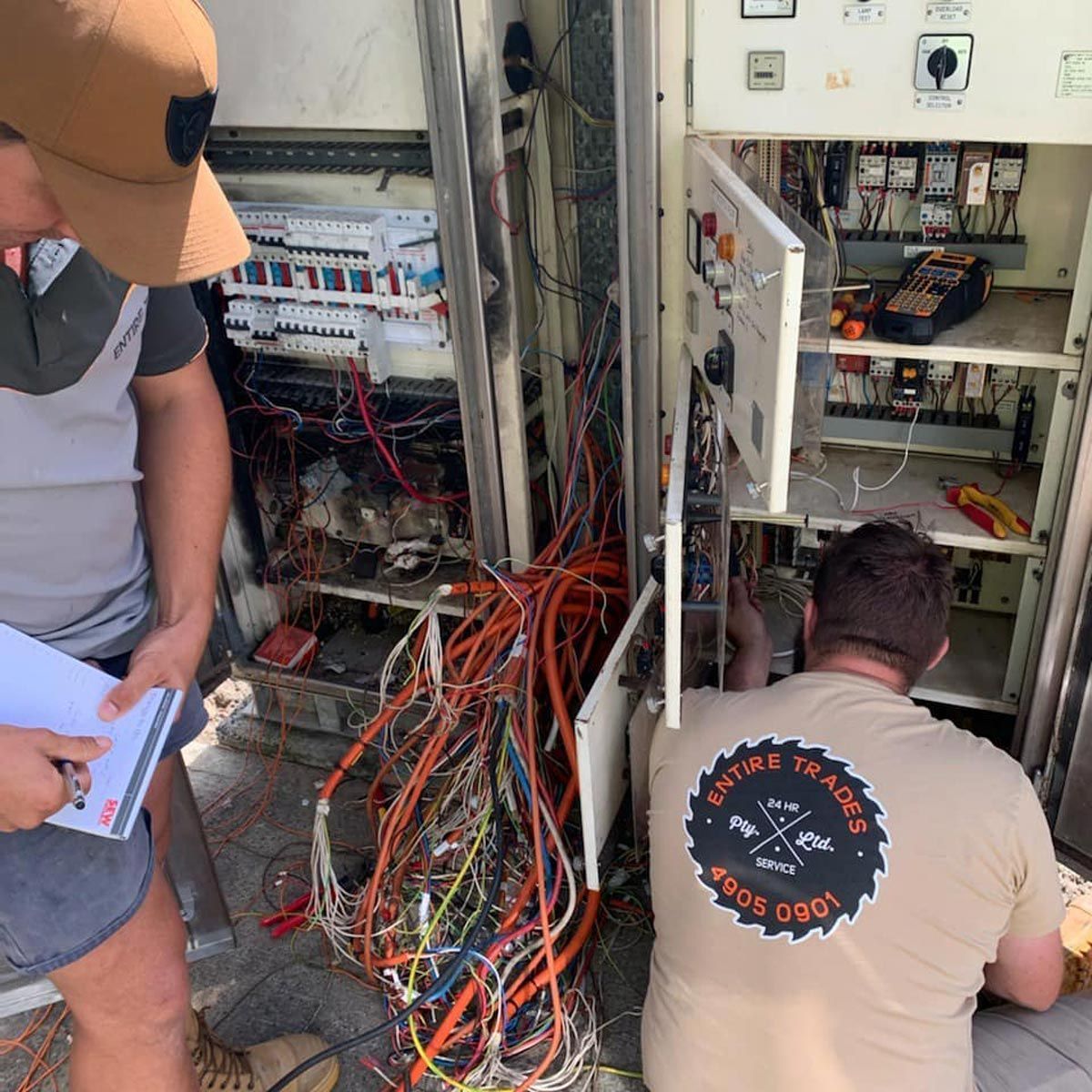
One important safety note: if you notice the compressor running in the outdoor unit but the outdoor fan isn't spinning, switch the system off at the wall straight away. Running the compressor without airflow across the condenser causes it to overheat rapidly, and this can lead to expensive compressor damage that's far more costly to fix than the original fan issue. A common, cheaper cause of a stalled outdoor fan is a worn capacitor — caught early, it's a relatively inexpensive fix, but left running in that state, the damage compounds quickly.
How to fix it: Fans and blower motors are complex components and a professional technician should handle repairs or replacements. Regular servicing can help detect and prevent fan-related problems before they escalate.
7. Incorrect Aircon Size For The Space
If your air conditioning unit is too small for the space it's supposed to cool, it will struggle to reach the desired temperature. On the flip side, an oversized unit will cool the room too quickly, causing short cycling, which can wear out the unit and lead to inconsistent cooling.
How to fix it: When purchasing an aircon, it's crucial to choose the right size for your space. A professional technician can calculate the cooling load for your home or office and recommend a suitable system. If your current unit is incorrectly sized, upgrading to the correct size may be the only solution.
What You Can Check Yourself, And When To Call Someone
Before booking a service call, run through this quick checklist:
- Thermostat mode and setting — confirm it's set to cool, at a reasonable target temperature
- Clean filters — check they're not clogged and are seated properly
- Clear outdoor unit — confirm at least 30cm of clearance and no debris build-up
- Check the breaker — make sure the circuit hasn't tripped
- Close windows and doors — an open door or window can undo all your system's hard work
If you've been through all five and your system is still blowing warm air, that's a sign it's time to call a professional rather than keep troubleshooting. Certain signs mean you should stop immediately and call for help: ice visible on the refrigerant pipework, a hissing or bubbling sound, any burning smell, or a circuit breaker that keeps tripping repeatedly. These point to issues that are genuinely unsafe to keep running or attempting to fix yourself.
Need Air Conditioning Maintenance? Call Us Today
If your air conditioner isn't cooling properly, it could be due to various factors like dirty filters, thermostat problems or refrigerant leaks. Routine air conditioning maintenance is key to keeping your system in peak condition. At
Entire Trades, we provide comprehensive air conditioning services, from installations to repairs and regular maintenance. Whether you're a homeowner or a business owner, we can ensure your air conditioning system runs efficiently. This keeps your space cool and comfortable all year round.
Contact us today to discuss how we can help with your air conditioning needs.